


 Customer Login

Biobanking sits quietly behind many of the biggest advances in modern medicine. From fast-tracking vaccines to powering personalised therapies, the simple idea of carefully preserving biological samples linked to reliable data has had a profound impact on science.
Suppose you’ve ever wondered why biobanks are so important to research and healthcare, or what the practical benefits of biobanking are for your organisation. In that case, this guide will break it down for you.
How do biobanks work?
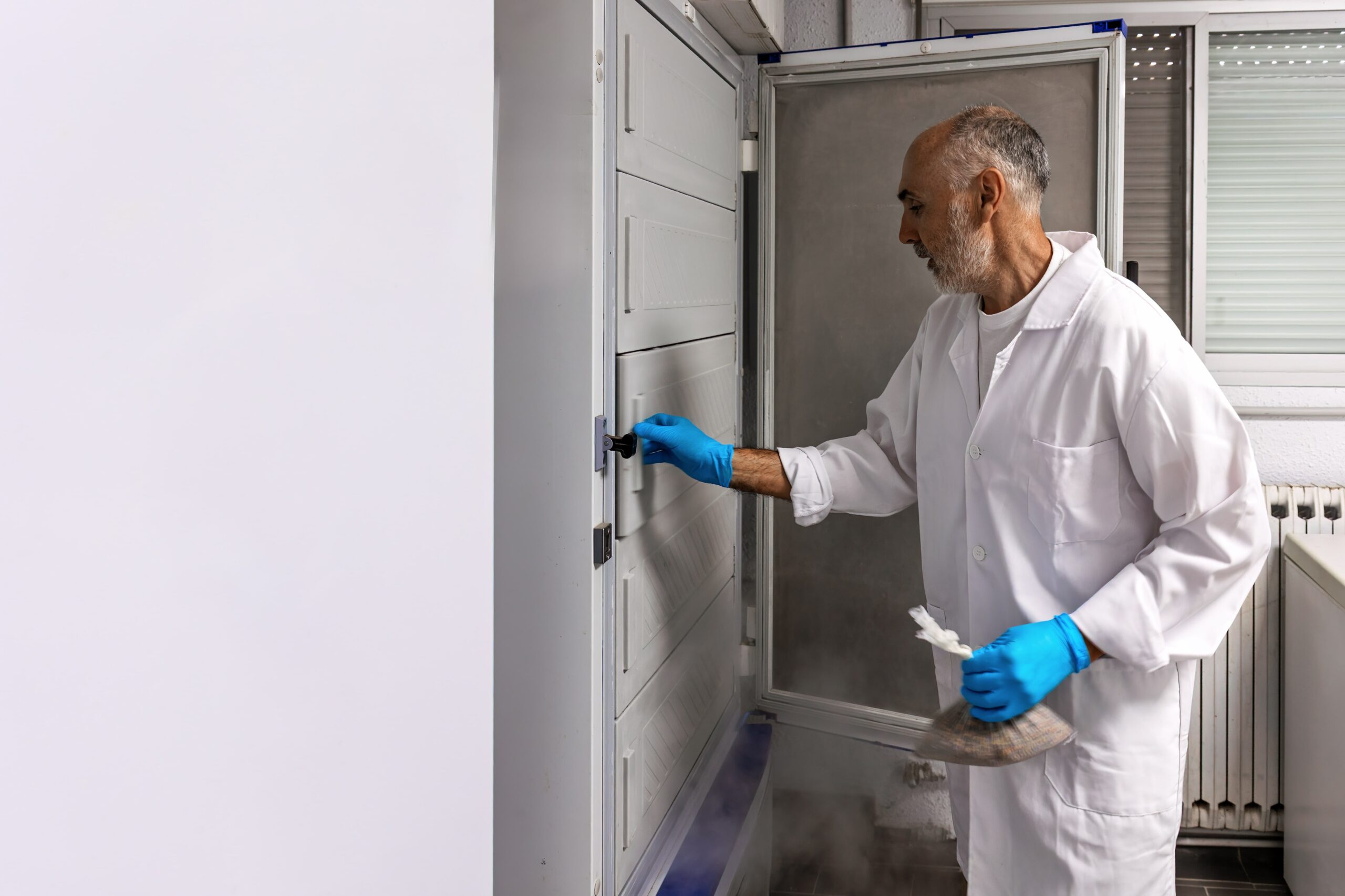
At its core, a biobank receives and stores biological samples like blood, tissue, saliva, cells, DNA, and even microbiome swabs together with the data that gives those samples meaning. The data covers collection dates, consent details, processing methods, storage conditions, and relevant clinical or demographic information. Each sample is barcoded, tracked in a laboratory information management system (LIMS), and stored under tightly controlled conditions (e.g. −80 °C ultra-low freezers or liquid nitrogen vapour phase for long-term viability).
The result is a trusted, traceable supply of high-quality material that researchers can access quickly and confidently, knowing the integrity and provenance are sound.
Why biobanks matter
Biobanks remove common roadblocks by turning a vague request for “we need samples” from a months‑long delay into a straightforward, same‑day request. Because collections are curated and documented, studies can be repeated or expanded years later using matching material, which strengthens the evidence and reduces rework. They also help research reflect real‑world populations rather than small, one‑off groups, which improves the relevance of results. If something unexpected happens—such as a freezer problem, a laboratory move or a power cut—backup storage at another site keeps irreplaceable samples safe and available. In short, the benefits stretch from lab bench to bedside: faster research, stronger evidence, safer decisions, and better outcomes.
This is exactly where Restore Harrow Green supports organisations. Our biobanking service combines set‑up advice, temperature‑controlled transport, compliant long‑term storage and mirrored backup, so samples remain decision‑ready and projects continue without interruption.
Types of biobanks and their purpose
Not all biobanks are the same. Most fall into one of a few models:
- Population biobanks collect samples and basic, non‑identifiable information from large groups of people. They help researchers spot public health trends, understand how our genes may affect health and track how risks change over time.
- Disease‑specific biobanks focus on one condition, such as cancer, dementia or a rare disease. They provide the right samples so scientists can develop better tests and treatments for that condition.
- Clinical biobanks are based in hospitals and support patient care and clinical trials. They make sure every sample is handled the same way until it goes into storage.
- Private or corporate biobanks are run by pharmaceutical and biotech organisations to support their research. They supply consistent samples for teams working across different sites.
- Disaster recovery and backup repositories hold a secure second copy of your collection. They protect irreplaceable samples if there is a power cut, equipment failure, or another issue at the main site. Restore Harrow Green provides mirrored storage and pre‑reserved capacity so you can switch quickly after an incident.
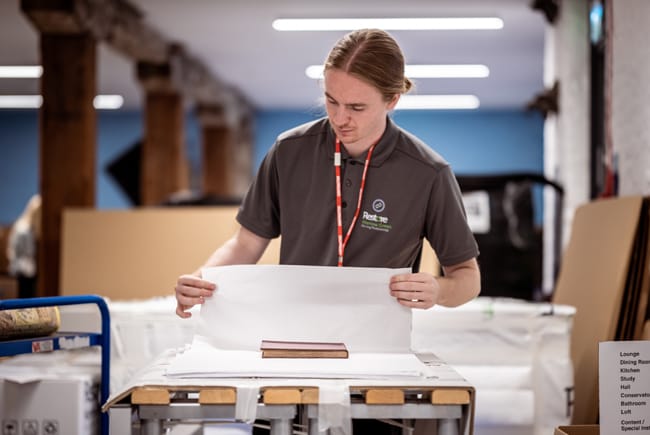
Our specialists use validated, temperature‑controlled transport and maintain a full chain of custody. Across the UK, trained crews and purpose‑built vehicles can collect freezers and sample inventories at short notice. We plan with a site visit, DGSA‑checked paperwork, and ADR‑certified drivers so every recovery is safe, legal, and compliant.
Whatever the model, the aim is the same: long-term preservation plus complete traceability so samples remain decision-ready for years, even decades.
Key benefits of biobanking

From the moment samples arrive, trained staff log, label and move them into tightly controlled storage. Freezers and tanks are monitored around the clock, with alarms and backup power in place, so conditions remain stable even if there is an outage. This careful handling keeps samples usable for years and, in many cases, decades.
When high‑quality, clearly labelled samples are already available, researchers do not need to start from scratch by recruiting donors or repeating collections. They can set up studies immediately, test ideas sooner and make decisions with confidence. That reduces delays and helps projects move from proposal to results more quickly.
A sample is most valuable when it is linked to clear information about when it was taken, how it was handled and any relevant background. Bringing the material and the information together lets teams compare like with like and spot real trends rather than noise. Over time, this joined‑up approach supports stronger analyses and more reliable conclusions.
Keeping collections in one well‑run place prevents people from buying duplicate equipment or paying for space they do not need. Shared storage, common labels and simple, standard ways of working cut waste and reduce the cost per sample. It also makes collaboration between sites smoother because everyone is following the same playbook.
Every collection should begin with informed consent and a clear explanation of how samples and data may be used. Biobanks keep complete records of who handled what and when, and they protect personal information with strong privacy controls. This transparency makes compliance straightforward and builds trust with participants, clinicians and sponsors alike.
Science moves quickly, but well‑kept samples remain useful as methods change. Whether a project involves genetics, improved diagnostics or cell‑based treatments, a carefully maintained archive means teams can return to the same material in the future. Good biobanking keeps doors open to discoveries without having to recollect from patients.
How biobanking improves quality and collaboration
Reliable results depend on doing the simple things the same way every time: getting samples frozen quickly, using clean containers, labelling clearly and checking temperatures. When all sites follow the same steps, results are more consistent and easier to compare.
Sharing also becomes simpler. Agreed formats and labels plus barcodes linked to digital records help different teams find, request and use the right material without confusion. For regulated projects, complete records support inspections and prevent hold-ups.
Ethical, legal, and quality considerations in biobanking
Public trust is essential. People need to know what they’re agreeing to and how their samples and data will be used, now and later, with the right to change their mind. In the UK, that typically means following Human Tissue Authority guidance and meeting GDPR requirements around privacy and access.
Quality is about everyday discipline: written procedures, routine checks, well-maintained equipment and rapid fixes when something goes wrong. Many biobanks follow recognised standards such as ISO 20387 to show they’re operating to a high, consistent level.

Unlock your full potential with biobanking
If you’re building a new collection, consolidating legacy freezers, or planning a lab move, it pays to get biobanking right from day one. Restore Harrow Green’s specialist teams design and deliver end-to-end solutions, including collection logistics, validated packing, ultra-low storage, backup and disaster recovery, and full chain-of-custody aligned to your governance and compliance needs.
Reach out and get a quote to discover how we can make biobanking work for you./