


 Customer Login

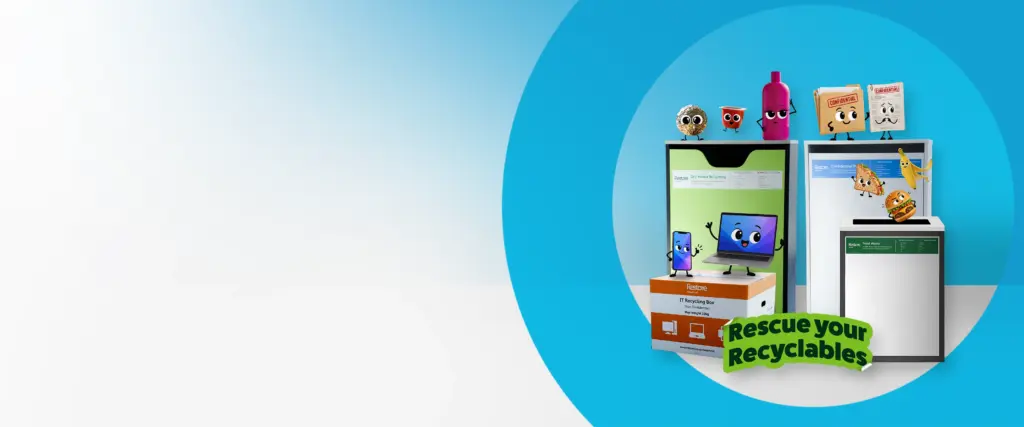
Recycle Week returns from 14 to 20 September 2026, bringing businesses, local authorities and communities together to help more people recycle better. Led by Recycle Now, the citizen campaign managed by WRAP, this year’s theme continues “Rescue Me, Recycle!” and focuses on commonly missed materials that are too often lost to the rubbish bin.
For workplaces, that message is especially useful. Better recycling is not only about adding more bins. It is about making the correct route clear, keeping waste streams clean, protecting confidential information and helping employees take the same simple actions every day.
At Restore Datashred, we are marking each weekday of Recycle Week with one practical action. Together, these five steps can help organisations build a safer, clearer and more effective workplace recycling system.
What is Recycle Week 2026?
Recycle Week is the UK’s annual recycling campaign from Recycle Now. The official 2026 campaign runs from Monday 14 to Sunday 20 September, while partners can support the activity across a wider window from 7 to 27 September.
The 2026 campaign continues “Rescue Me, Recycle!”, bringing frequently missed items to life and asking people to save them from residual waste. This year’s featured line-up includes an aerosol, perfume bottle, shampoo bottle, toilet roll tube and Neil the banana peel, alongside supporting characters for other commonly missed recyclables.
The central idea is simple: valuable materials need the right route if they are to stay in circulation.
Why workplace recycling matters in 2026
WRAP’s latest campaign insight points to a confidence challenge. The proportion of people who believe their recycling effort is worthwhile remains at 69%, while one in four has some level of distrust that collected recycling is actually recycled. Clear, consistent communication and visible processes can help organisations show employees what happens next and why correct separation matters.
For workplaces in England, separating waste is also a legal requirement. Most businesses, charities and public sector organisations must separate dry recyclable materials, food waste and residual waste before collection. Micro-firms with fewer than 10 full-time-equivalent employees have until 31 March 2027. Requirements differ across the UK, so organisations should follow the rules that apply in each nation and their waste collector’s instructions.
Five practical actions for Recycle Week

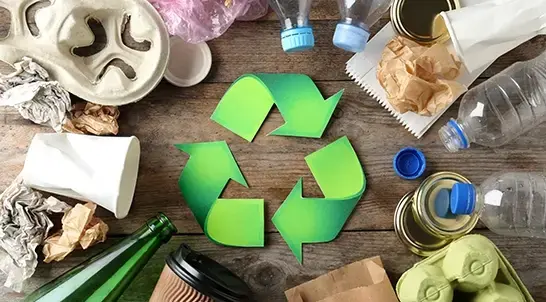
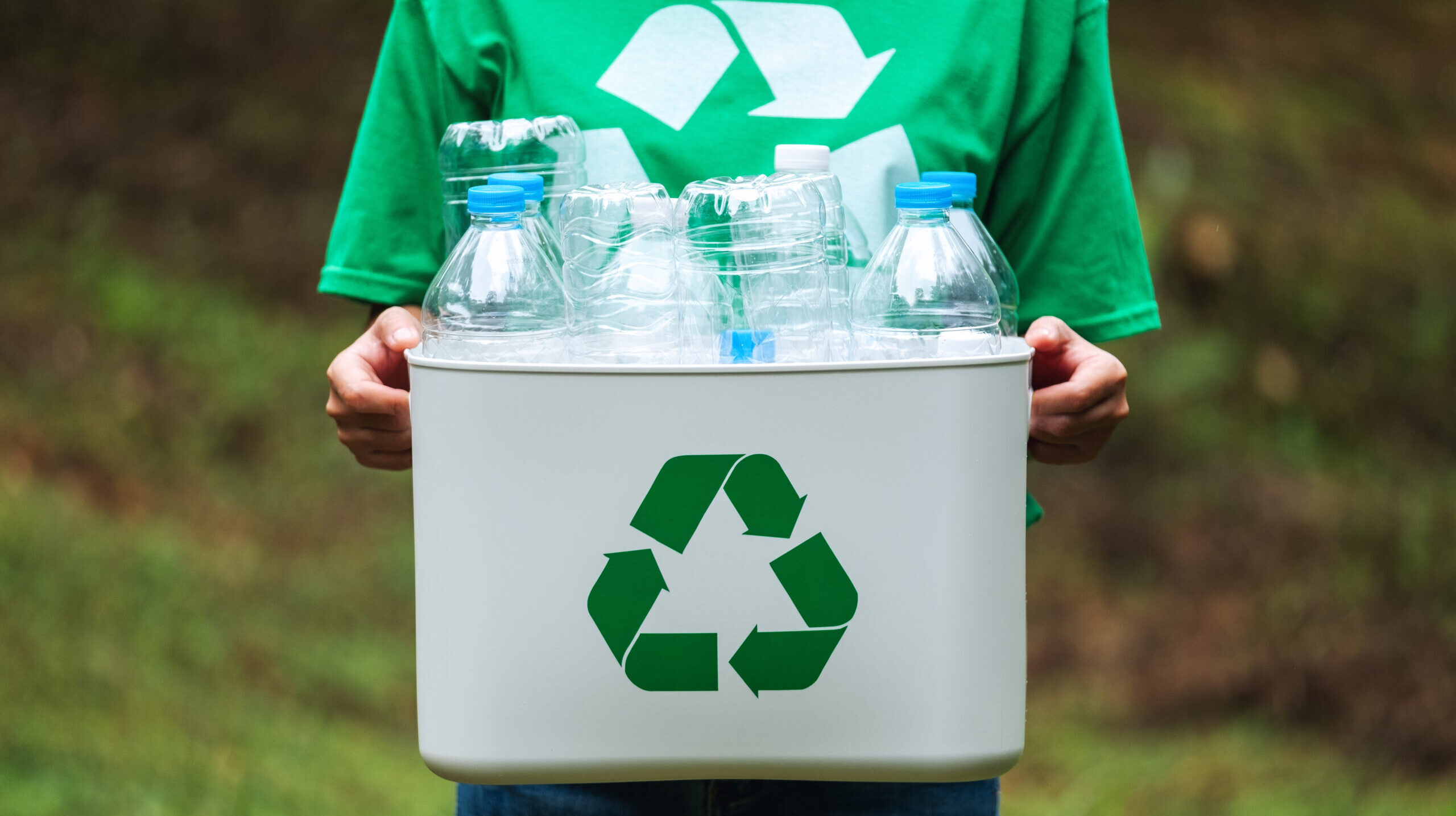
Empty bottles, cans, tins, glass containers and clean packaging are easy to miss when the nearest recycling point is inconvenient or unclear. Start with a short site walk. Look at kitchens, break rooms, meeting areas, print spaces and entrances, then position labelled recycling points where people naturally dispose of items.
Good placement reduces hesitation. Clear signs should show what is accepted and remind users to empty liquids or food residue where required by the collector.
Residual waste is not recycling, but it is an essential part of a well-designed system. Without a clearly marked residual waste option, food, liquids and unsuitable materials can be placed in recycling containers and contaminate otherwise useful material.
Pair complementary bins, keep labels consistent and monitor recurring mistakes. If contamination continues, review the position, number and wording of your recycling points rather than relying on reminders alone.
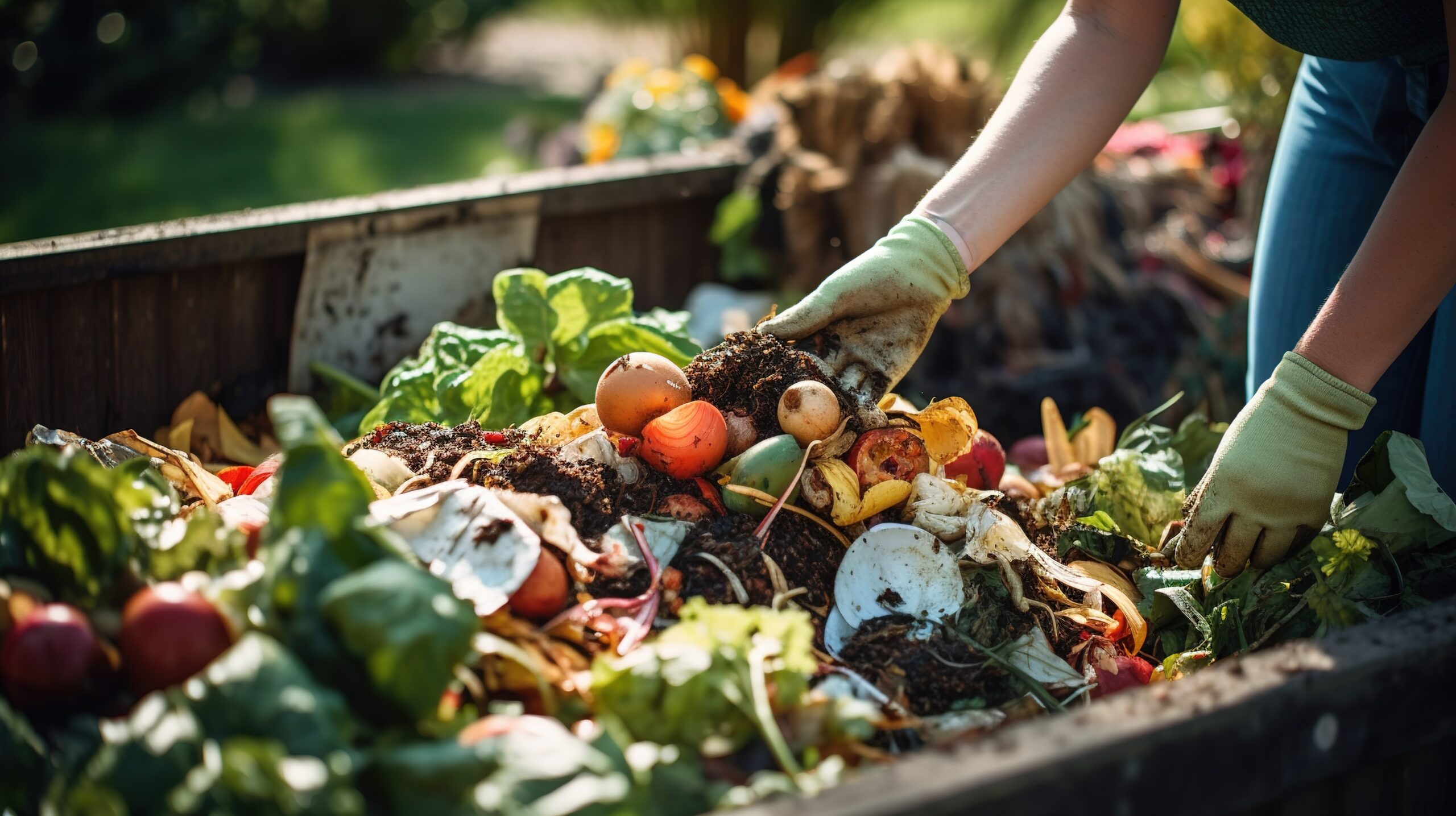
Food waste does not arise only in a canteen. Banana skins, apple cores, tea bags, coffee grounds and lunchtime leftovers can appear in staff rooms, small tea points and meeting spaces. Check all these locations and place food caddies where they are easy to see and use.
In England, food waste must be separated by workplaces in scope even when only a small quantity is produced. Keeping it separate also protects dry recycling from contamination.
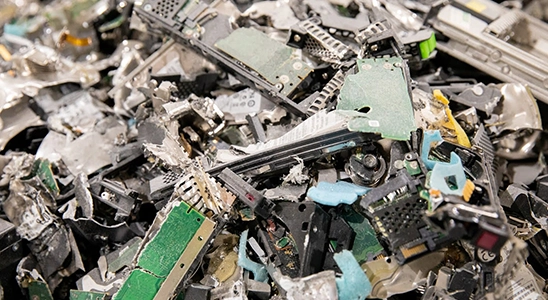
Electrical equipment, batteries and data-bearing media should not enter ordinary dry mixed recycling. Old laptops, phones, hard drives, USB drives, discs and cables may contain confidential information or components that require specialist handling.
Use a dedicated collection route that records what has been removed and determines the appropriate next step. Depending on the item and its condition, that can include secure data erasure, physical destruction, reuse, refurbishment or responsible recycling.
Paper remains a common workplace material, but confidential documents need a secure process. Open recycling bins can expose personal, commercial or operational information before collection.
Locked consoles, secure sacks or ShredBox™ can help protect documents until collection and destruction. At Restore Datashred, paper is securely shredded and baled before being sent to paper mills, where the fibre can begin a new life in paper-based products.
Turn Recycle Week into a habit, not a one-off
A successful Recycle Week should leave something useful behind. Choose one improvement, assign an owner and measure it. You might review contamination, check collection volumes, ask employees where instructions are unclear or move a container closer to the point of disposal.
The most effective system is one that people can understand quickly and use consistently. A few well-placed, clearly labelled and properly managed waste streams can make recycling easier while keeping sensitive material secure.
How Restore Datashred can support workplace recycling
Restore Datashred helps organisations manage confidential paper and selected workplace waste streams through practical containers, scheduled or ad hoc collections, secure processes and a clear audit trail. Our solutions can support dry mixed recycling, food waste, residual waste, IT and media, and secure paper destruction, subject to service availability and your site requirements.
If Recycle Week has highlighted a gap in your workplace, speak to our team about the right containers, locations and collection schedule for your organisation.
While paper recycling is our foundation, we’re committed to going much further. Today, Restore Datashred provides recycling solutions for a wide range of waste streams, helping businesses manage resources more responsibly:
Expanding Beyond Paper: More Waste Streams, More Impact

Frequently asked questions
Recycle Week 2026 runs from 14 to 20 September. WRAP welcomes partner activity across the wider period from 7 to 27 September 2026.
The theme is “Rescue Me, Recycle!”, encouraging people to save commonly missed recyclable items from residual waste and put them into the correct recycling route.
Workplaces in scope must separate dry recyclable materials, food waste and non-recyclable or residual waste before collection. Micro-firms with fewer than 10 full-time-equivalent employees have until 31 March 2027.
Confidential paper should use a secure collection and destruction route. This reduces the risk of information being exposed while still allowing the shredded paper fibre to be recycled.
No. Electrical items, batteries and data-bearing media need a dedicated collection route and specialist handling. Follow your provider’s instructions for each item.
Join Us in Making a Difference
Recycling isn’t just about compliance — it’s about commitment to a more sustainable future.
This Recycle Week, take the opportunity to review your waste streams, educate your teams, and explore how Restore Datashred can support your organisation’s sustainability goals. Together, we can make every week a Recycle Week.
Learn more about our services here