Customer Login

More rigorous household waste management requirements, badged Simpler Recycling, are coming down the tracks in England, with a 31 March 2026 deadline. Great! But in the rush towards the four-bin future, don’t forget to keep your confidential information safeguarded.
It’s good news!
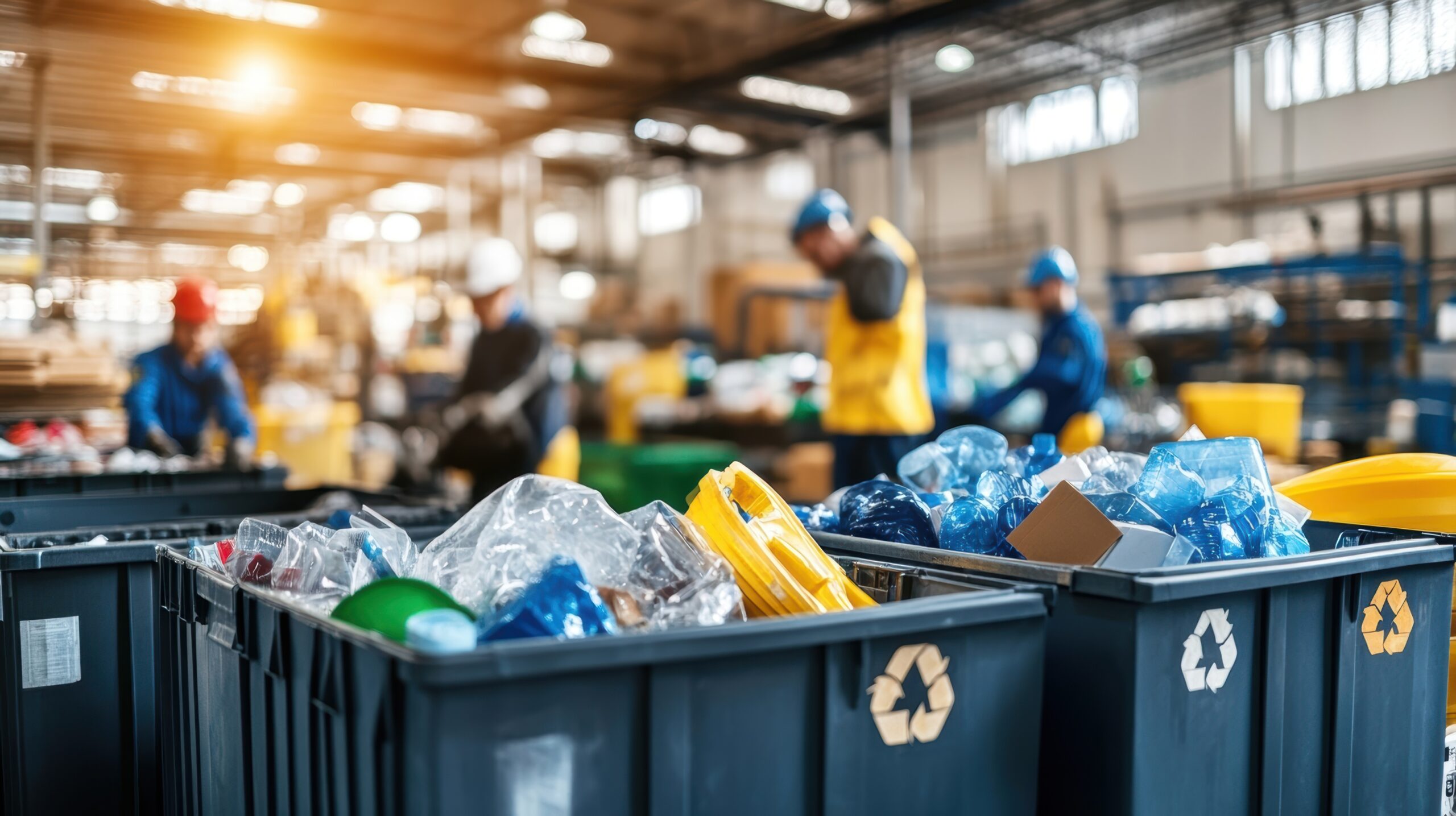
As you can see in other Datashred stories, illegal waste disposal (particularly in England) is a hot topic and it’s hoped that the introduction of Simpler Recycling will take a step towards addressing some of the infrastructural pressure points which lead to illegal dumping, not least by creating an increased pipeline of resources for the recycling industry to work with.

In the UK we currently recycle around 45% of our waste each year.
Technically, we could be recycling 80%+. While Scotland and Wales have their own waste recycling schemes, with Wales so successful (approximately 68% in 2025) that it’s currently ranked second in the world, the UK government’s Simpler Recycling legislation aimed at making it easier for all households in England to increase their recycling rates, in the same categories countrywide, is at last due to come into force at the end of March.
Find out moreIn the same vein as the Simpler Recycling regulations which came into play last spring for businesses employing 10 people and above, so will domestic collections need to be more closely managed by all of us and, whatever type and size of dwelling, there will need to be a very special reason, eg, an isolated location, for not complying with the new regulations.
With no further ado, some Dos and Don’ts!
DO
- Make recycling your default habit and educate your household to behave in the same way.
- Embrace the four-bin system!
There should be separate collections for each of the following types of waste, although do check with your local council to make sure.
- Food and garden waste, eg, fruit and vegetable cores and leaves, old leftovers, stale sandwiches, eggshells, plate scraps and scrapings
- Paper and cardboard, eg, CLEAN wrappers, delivery boxes, envelopes, marketing bumph, egg and cereal boxes, juice cartons
- Dry mixed recyclables, eg, CLEAN AND DRY tins, glass, hard plastics such as oil bottles, yoghurt pots
- Residual/non-recyclable waste, eg, plastic film lids, plastic bags, wrappers and packaging, contaminated paper and plastics (food, oil, etc)
- Segregate your waste, if you have space, before putting out for kerbside collection. Separate boxes for storage between collections work well and are easy to use for all the family.
- Dispose of large items such as furniture or electronics through licensed waste carriers only.
· Do the Right Thing by your community and the planet.
DON’T
- Don’t throw contaminated tins, plastics, paper or card into the recycling bins. Clean them first! A quick rinse, brush down, etc, should do the trick. Contaminated items can mess up a whole recycling stream at your local facility. However, if a pizza box, for example, is really messy, dispose of it in the non-recyclable box.
- Don’t contribute to the growing waste mountains (see here for details) in England. Always use a licensed and accredited waste carrier to get rid of items such as furniture or electronics.
- Don’t put your confidential paperwork in the paper and card recycling box.
A red flag warning from Restore Datashred
Whether you work from home, run your business from home, are clearing out a relative’s lifelong paperwork, or sorting through your no-longer needed bank statements, medical letters, and so on – STOP! With more onus on all of us to closely manage our household waste into at least four streams, it may be more tempting than ever to see the paper/card recycling stream as a good route for disposing of the contents of your family filing cabinet.It is not.
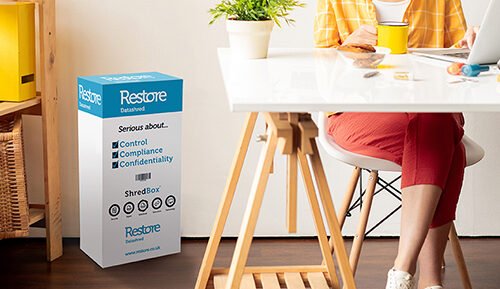
Unfortunately, just because you’re doing the right thing by people and planet does NOT mean that your personal information, your identity, is safe from theft on route to or within a standard recycling facility. The safest alternative, the one that carries the 100% guarantee of being recycled while taking out all the risk associated with data protection, is to use our Home Shred service. Home Shred does what it says on the box: it enables you to shred from home, simply and easily, with the benefits for both your business and your household that that brings.
Find out moreIt’s easy to use by logging on to your Restore Datashred account via our Shred Smart portal and clicking on Home Shred. Choose from either a small or large box, large shredding sacks or a lockable cabinet (for shared households?) and we will deliver it, next day, to get you up and running. Once the bin/box/sack is full, log in and set up a collection time; we can even send one of our mobile shredding trucks to you, if you prefer, for on-the-spot, super speedy destruction you can witness. Secure chain of custody is guaranteed from door to shredding blade and a certificate of destruction for your peace of mind completes the process.
Maybe that should be a FIVE-bin future?!
What we’re really saying is you need TWO bins for paper and card recycling. One for normal paper waste that you put out for collection and recycling by your local authority, and one that’s clearly labelled and kept apart – and locked? – for all your confidential paper waste. The contents (or whole box) of this second, protected waste stream bin goes for secure destruction at a Restore Datashred site, with the shreds being sent to a partner facility for recycling.
Give one of our knowledgeable customer service team a call on 0800 376 4422 to discuss your needs and what options there are to make the most of your waste by setting up that five-bin future. We look forward to being a part of it!
Get in touchRecent News