Customer Login

Compliance with Simpler Recycling obligations, closer inventory management and professional waste management lead to cost reductions as well as environmental and ethical benefits.
Table of contents
- How can recycling food waste save my business money?
- How do I lower waste management fees for my company?
- Is recycling food cheaper than sending it to landfill in the UK?
- What are the cost savings of choosing the sustainable option for food waste?
- How do I implement efficient food waste recycling for my business?
How can recycling food waste save my business money?
Firstly, general waste disposal is costed via weight and is more expensive than recycling segregated materials as it requires more complex processing and incurs Landfill Tax (£130.75/tonne, 2026-2027) and incineration fees. Since food is one of the heaviest components of waste, it makes financial sense to separate it out to downsize your general waste collections.
Secondly, waste segregation and food waste recycling are a legal requirement for all businesses of more than 10 employees (changing to all businesses from April 2027) under Simpler Recycling regulations. Recycling food waste can save your business money because it’s a compliance issue and, on the back of compliance hangs reputation. Incurring fines for non-compliance or acquiring a poor reputation for unsustainable practices can impact your customers’ confidence, and your bottom line.
How do I lower waste management fees for my company?
Use an efficiency-oriented, well planned and routed and accredited professional waste disposal business, one that knows all types of waste legislation inside out and complies with it to the letter. That way, there are no surprise extra fees or fines. Segregating waste so that the heavier food stuffs are collected to be recycled, not thrown into landfill with general, unrecyclable or inert waste, will automatically save fees charged by weight and incinerator operators, for example.

Is recycling food cheaper than sending it to landfill in the UK?
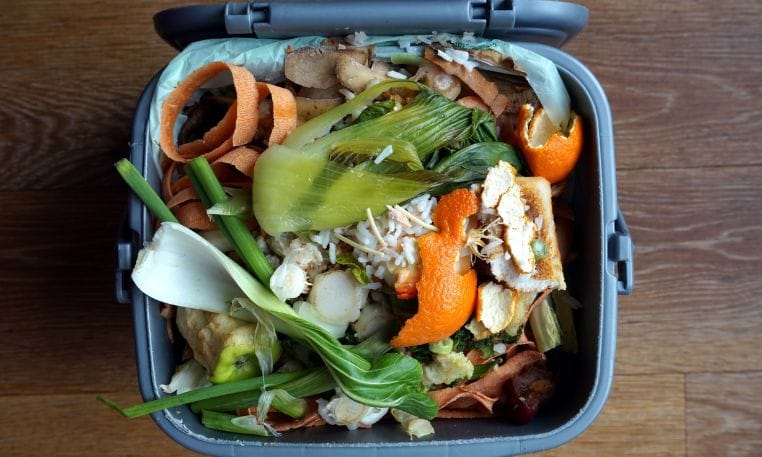
Yes. Collecting food waste for recycling costs around £50-£80 per tonne, depending on sector, region and location. Food products are processed either via an anaerobic digester, to create energy such as biogas, or to create compost for the agricultural and horticultural sectors. On the other hand, sending food waste, which is heavy, to landfill ranges from approximately £170 to £250 per tonne, once fees and taxes have been added.
What are the cost savings of choosing the sustainable option for food waste?
A hospitality business typically producing 150kg of food waste each day may save up to £7,000 a year when accounting for Landfill Tax and general waste collection fee savings. By taking heavier food matter out of the general waste equation, you avoid taxes, fees and can reduce the frequency of general waste collections – all adding up to as much as a 46% annual reduction in your total waste bill.
What are the ESG benefits of food waste reduction?

Environmental
Food waste disposed of via landfill emits methane, a so-called greenhouse gas, as it decomposes. By recycling food, you are treating it as a resource with which to create further resources.


Social
Adopting the mindset of sustainability shows forward thinking and an awareness of societal need, not simply the bottom line.

Governance
Compliance with Simpler Recycling and other waste disposal legislation, which all mandate waste segregation and the recycling of food waste, is part of being a well-run business.
How do I implement efficient food waste recycling for my business?
We suggest a four-stage process in setting yourself up for full compliance with Simpler Recycling and Landfill Tax regulations and aims, both of which work in tandem to channel your food waste into recycling.
- Conduct a food waste audit – how much do you generate, where and how do you currently manage it?
- Optimise your food inventory – as a first step in cost-saving, use a digital tracking tool to check stock levels, keep tabs on one-in-one-out processes, prevent spoilage and waste.
- Educate your teams and employees – storage, portion size, cooking techniques, waste segregation and government legislation are key elements of efficiently-run commercial food producing businesses.
- Partner with Restore Datashred – for professional, tailored food waste collection solutions. Our experienced, accredited operatives drive a modern fleet of vehicles that are tracked and route managed, and we partner with approved and trusted recycling plants to generate energy or produce compost.
The benefits of food waste recycling

Financial gains
professional collection services provide a strategic opportunity to reap efficiencies by being more adaptable and cost-effective than paying the current (2026-2027) Landfill Tax of £130.75/tonne for general (active) waste.

Environmental impacts reduced
diverting food waste from landfill means no additional methane emissions, offers the opportunity to treat waste as a resource for composting and converting into biogas and is an entry point into the circular economy.

Your ESG and reputational credentials boosted
customers and business partners look for and appreciate compliance with Simpler Recycling and Animal By-Products regulations and the focus on sustainability-first practices.
Get in touch
Find out how Restore Datashred’s experience in food waste handling, reliable and professional services and operatives can help you save money, while remaining compliant and ethical.
Contact our teamRecent news