Customer Login


Forms of paper have been successfully recycled for millennia but, when it comes to shredded paper, there is more complexity around how and why we recycle.
Table of contents
When did paper recycling start?
Recycling is not a late-20th century concept. Societies have always re-used, recycled, upcycled and extended the life of hard-to-obtain resources and difficult-to-manufacture products, with paper ranking highly among them.
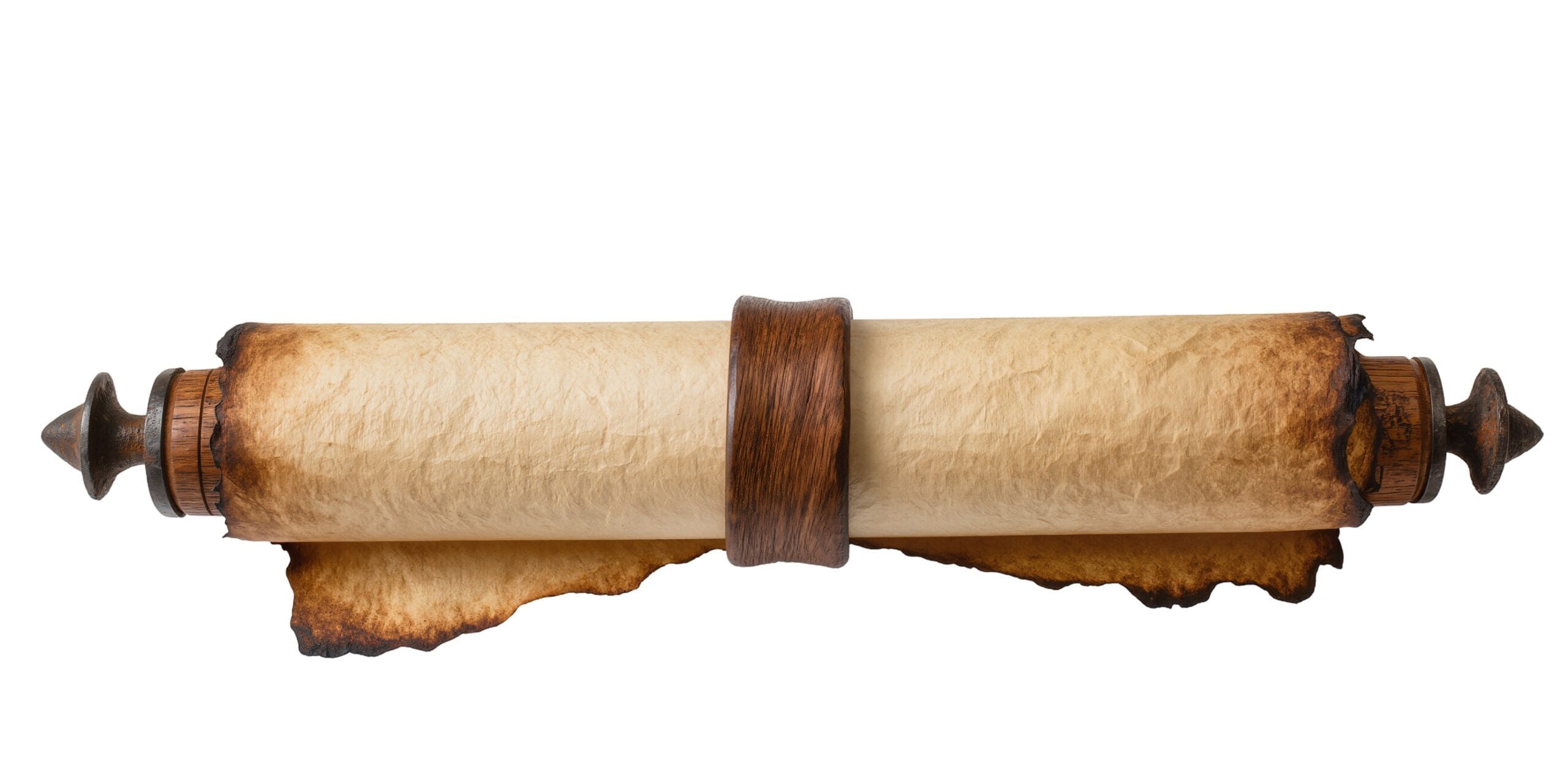
Some of the earliest recorded recycling, for example, was the Ancient Roman palimpsest, a practice which involved scraping ink and text from expensively produced parchment and animal hide to re-use the surface for new writings. It was a practice that burgeoned in Europe from the fifth century onwards, reaching its height during the medieval period. Who knows how many ancient texts and treatises were lost!
Records dating to 10th-century Japan also show that used old paper was collected for pulping and recycling into new. Resource shortages and transportation difficulties caused by war, famine and plague throughout the ages and across continents, meant that paper recycling was born out of necessity, and was a process vastly assisted by steps forward in Europe in de-inking processes and industrialisation in the 1800s.
When did commercial paper recycling programmes begin?
Paper recycling as a business practice gained momentum following on from the shortages of raw materials experienced, globally, during the Second World War. During the 1950s and the associated post-war recovery and birth of consumer culture, those de-inking and pulping technologies that had been invented a century or so beforehand could now be employed on a large scale to quickly process and recycle post-consumer and commercial wastepaper, such as newspaper, ledgers and cardboard.
From the 1970s onward, demands for environmental protections arose from growing awareness of the impacts of deforestation, pollution and the perils of landfill, with paper recycling being a highly achievable corporate goal.

What are the challenges of commercial paper waste management?
With the arrival of the Information Age in the mid-20th century, and its technologically-enhanced acceleration from the 1990s onwards, the need to protect data – commercial secrets, financial and corporate information, individuals’ confidential data, and so on – moved to occupy centre stage.
This need to consider data protection poses a major challenge for commercial paper waste management. It’s simply not right to throw away company wastepaper without considering consequences, and we now have the legislation to back this up in the shape of Simpler Recycling and GDPR.
The challenges of successfully managing your business’ wastepaper, then, need to include considerations surrounding both data protection and environmental protection. These considerations, that should be company best practice, need to embrace company-wide education, volume management, secure storage, and an ironclad guarantee of recycling, if that management is to comply with our national and international regulations.
What are the challenges for businesses of recycling paper shreds?
One of the seemingly most effective ways of disposing of confidential paper waste is to reduce it to small shreds with specialist shredding equipment. If a member of your team is made responsible for ensuring all sensitive data is correctly controlled and handled in office and then shredded, this can appear to answer the ‘data protection’ element of compliance with GDPR.
The ‘environmental protection’ element, however, is problematic. If paper shreds are disposed of via the workplace recycling stream collected by your local authority, there is the strong risk of contamination occurring across other recyclable materials, of individual shreds causing equipment jams at their recycling facility or simply falling on to the floor – a GDPR risk, too – at the facility and being swept up as rubbish. In short, the density/volume of paper shreds causes issues for standard waste streams and many local authorities have strict rules in place about separating paper shreds into separate (recyclable) bags, or refuse them altogether.
Some of the challenges for responsible businesses, then, who have an eye on securing and bolstering their reputation for secure, sustainable paper shredding, revolve around:
Space – do you have enough to set up effective waste streaming?
Time and effort – do you have an individual responsible for controlling and handling all their team’s confidential waste paper in compliance with data and environmental protections?
Systems and processes – are you aware of how disposing correctly of confidential paper waste affects filing and retention systems and storage, for example
Company-wide education – does everyone at your business know and operate within your system? And are they aware of those risks of cross-contamination, data protection failure, and so on?
Peace of mind – or, in fact, is your business’ paper shredding status a niggle at the back of your mind?

How do I set up an efficient, reliable paper waste recycling solution for my business?
A professional paper, or data, shredding service provider, like Restore Datashred, will secure all, shred all and recycle all – it’s what they do. Their specialist, large-volume set-up means cross-contamination and machinery jams are a non-issue, and their audited chain of custody processes mean your data is secured from the moment of collection to the moment it hits the shredding blade. Data protection and environmental protection requirements are met with ease.
Here’s the Restore Datashred solution for your business:

Lockable bins
Consoles, containers to suit your volume of paper waste, and your style, and meet data protection requirements


Scheduled collections
by trained operatives at times to suit you and your turnover

An audited chain of custody
From your workplace to our shredding blades, with waste transfer notes and certificates of destruction that prove each transaction for your records

Service options
To suit you, from regular on-site mobile shredding for high-level security documents that you can witness for yourself, to one-off large-volume collections following archive storage purges, for example.

Security all the way
Including vetted employees, GPS-tracked vehicles, CCTV-monitored and password-entry-only facilities, GDPR-conscious handling procedures throughout

A 100% commitment
to sustainable best practice and being part of the circular economy

Supporting accreditations, such as:
ISO 9001 for best practice, part of which is BS EN15713 for European Shredding Standard and BS 7858 for Staff Security Vetting Standard; ISO 27001 for information security and much more…
Paper shred disposal for businesses is not a question of putting it through the shredder then straight into your waste streams.
Data protection and environmental protection are key practices that carry heavy fines for non-compliance. Using the services of a provider like Restore Datashred will help guarantee you do the right thing by your customers, colleagues and company, and by our shared planet. Call our knowledgeable customer support team on 0800 376 4422 or complete our online customer service form below.
Get in touchIt’s not the ‘when’, it’s the ‘how’ and ‘why’ that are important
Recycling paper shreds in the workplace is not as simple as disposing of them in your standard paper recycling stream. As a responsible business, you should be considering data protection and sustainability and the stringent legislation that tries to ensure we all do the right thing by them in any paper waste disposal options.
By choosing to work with a professional paper shredding business, such as Restore Datashred, you will benefit from:
· An unbroken chain of custody from your workplace to our destruction facility, and on to the shredding blades, with documentation to support all transactions and prove your data is protected at all times.
· A boost to your sustainability credentials from guaranteed paper recycling, that saves money, energy, water and other raw materials, and creates new resource from the old.
· Compliance with regulations like GDPR and Simpler Recycling, and the accompanying boost to your business’ reputation for being respectful and well run.
Recent news