Customer Login

Responses to a Sunday broadsheet’s reader question about shredding sensitive documents at home reveal the need for greater awareness of just how determined some ID fraudsters (‘bin raiders’) are to make your life a misery.
The Guardian’s long-running Notes and Queries section posted a question on Sunday, 25 January. The reader was asking whether they should heed their children, who believe that digital scamming is where the world of data theft is at, or heed their gut instinct that makes them uneasy about throwing sensitive, personalised documentation into their household waste streams.
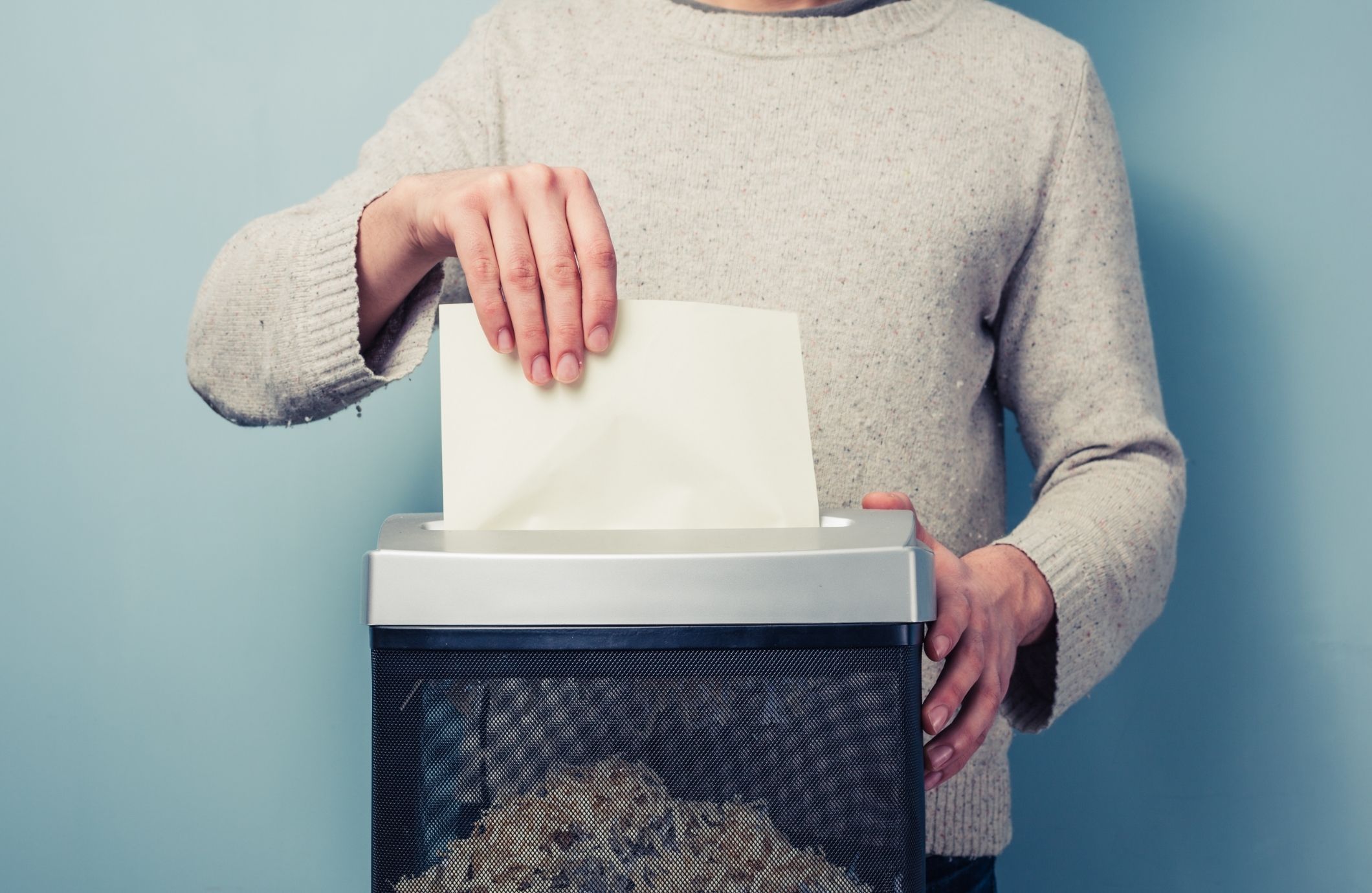
To shred, or not to shred? That is their question.
Below-the-line reactions to this piece ranged from accusations of paranoia (“nobody goes through bins these days”, and “shredding is well past its sell-by date”), to praise for taking personal responsibility (“whichever paperwork is to be binned shall be shredded twice, stamped on, stirred up with water and wallpaper paste, and eaten” – not a serious suggestion, we think!), to lengthy disposal methods such as chopping up defunct banking cards and depositing each fragment in a separate bin. There were also plenty of arcane suggestions for how to make bin raiders think twice about rifling through waste bags, from scissoring paper into strips, wetting it and moulding it into tiny balls, to dousing documents with bleach or HP sauce, or placing torn up paper in “the stinky used cat litter”…
In fact, the reader’s gut instinct is right.
It turns out that paper soaked in bin juice is not a deterrent where scams are concerned; people will do anything for ill-gotten gains, and there is much to gain.
While digital ID theft is huge, it doesn’t mean that paper fraud has exited stage left. Far from it. Figures from 2024 (Source: Cifas) show that an estimated 20,000 individuals in the UK had their identities stolen from personal information they had thrown into the household waste, and those 20,000 represent the tip of the iceberg of the fact that most household waste contains at least one item that could be used by bin raiders to steal your life.
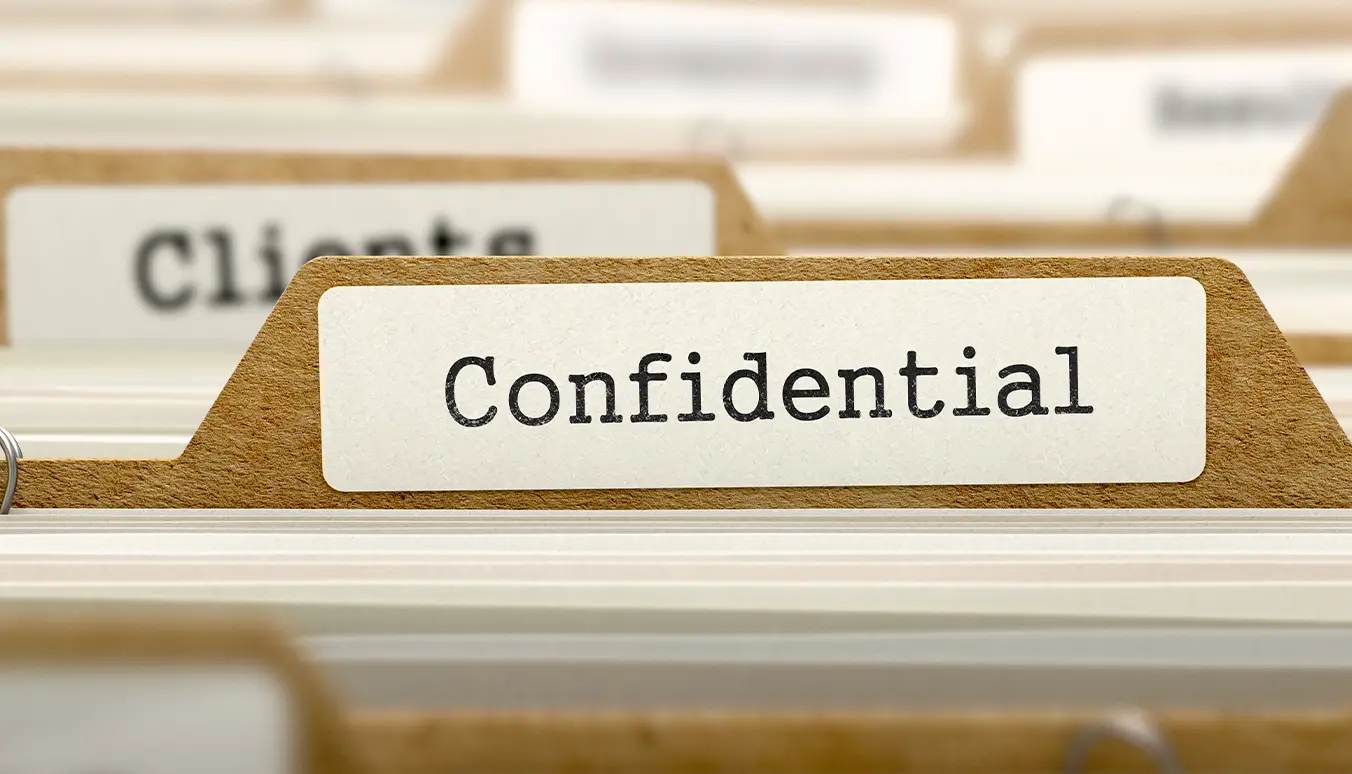
Rich pickings in the rubbish
It also turns out that even with what we might regard as basic information, such as name, date of birth and current or previous addresses, is enough to get the fraud ball rolling.
Juicier high-risk titbits such as NHS or NI numbers, medical information, pre-approved credit offers, bank and credit card statements, letters from HMRC and documents bearing a signature – astoundingly, these are all regularly thrown away in household waste. Whether in the paper and plastics recycling streams or in a general waste black bag, these data are vulnerable to bin raiders and can be used to inflict wide-reaching damage on your official identity.
Empathy and imagination
Twenty thousand may not sound like very many people robbed of their ID on an annual basis, but step back and imagine if that were you. You might not be able to access your bank accounts even while watching them empty, get treatment through the NHS or receive state benefits, drive or travel freely or make financial plans and applications.
In short, someone else impersonates you with the information they’ve stolen from your bin. The hassle and stress factors of trying to restore your identity? Well, those perhaps do not need so much imagination.
What’s the solution?
Don’t feed the bin raiders!
The Information Commissioner’s Office (ICO) recommends that all sensitive information at home should be shredded and disposed of professionally, that is, not chucked in recycling or general waste streams.
Here’s what Richard Jones, one of Restore Datashred’s experienced and dedicated Area Managers, says about using a home shredder:


Richard recommends the following:
Do not put any paper products, including prescriptions and medical packaging, household bills or bank statements into the household waste streams, expecting the local council to keep them safe.
Rip up any paper documents and keep them safely in a shredding sack or box before sending them off to be shredded by a professional company (yes, Restore Datashred, naturally!).
In general, don’t keep personal information for longer than is required, eg, bank statements and personal tax returns, and more specifically for home workers, clear out old files regularly.
Redundant e-devices should be professionally destroyed as soon as possible – either shredded or dismantled for recycling by a reputable business.
We carried out a quick, anonymised mini-survey here at Datashred, to find out what we all do about disposing of our home personal data. Here are some of our findings.
- At least one of us peels off labels from prescription boxes and plastic bottles before popping these containers in the appropriate recycling or waste stream at home.
- Another has a comprehensive Datashred set-up for the home, with shredding sacks for paper, plastics and e-devices, and has educated their whole family about the positives of being able to safely recycle the personal paper documents into, say, tissues or printer paper.
- One manager takes the lessons learnt from work, ie, that it’s imperative to responsibly keep our information safe, and applies them to their home set-up. “That awareness drives my approach both professionally and at home – data security isn’t something I switch off outside work. Nor is the need to recycle correctly.”
What do you do about disposing of personal information at home?
Recent news