Customer Login

Recycling paper is one of the easiest sustainability habits businesses can get into. But many companies still don’t know what is and isn’t recyclable, especially after confidential documents have been destroyed.
The truth is that paper recycling is about more than just cutting down on landfill waste. Many businesses have to think about maintaining a clear chain of custody, keeping sensitive data secure and ensuring private papers are destroyed properly.
At Restore Datashred, secure destruction and sustainability go hand in hand. Services such as secure shredding, commercial paper recycling, and confidential waste disposal can help businesses manage paper waste properly, from collection to recycling.
Why proper paper recycling matters
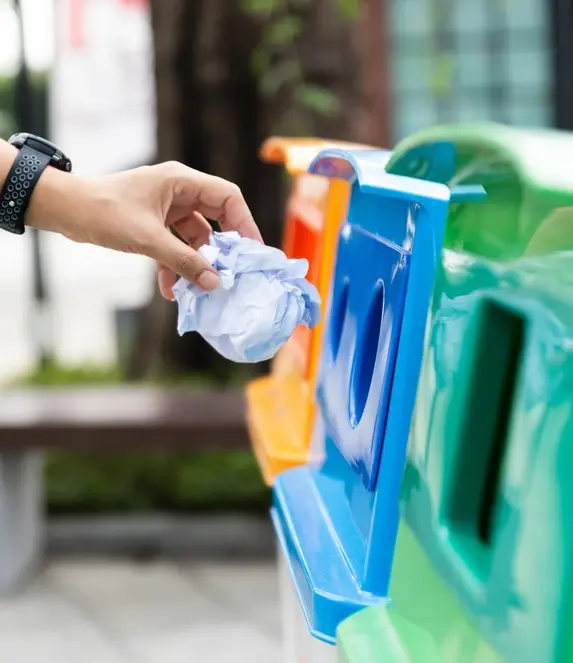
Every tonne of recycled paper helps save trees, water, and energy compared to manufacturing paper from virgin pulp. For businesses, the benefits go even further. Effective paper recycling supports:
- ESG and sustainability goals
- Reduced landfill waste
- Compliance with waste legislation
- Secure disposal of confidential information
- Better workplace organisation and waste management
The circular economy is also greatly aided by the recycling of waste paper. Paper fibres may be recycled into pulp and used to make office paper, cardboard, tissues, and packaging materials. However, shredded documents require slightly different handling processes compared to standard paper recycling.
Can shredded paper be recycled?
So, can you recycle shredded paper? The short answer is yes, but only if you do it right. Shredding shortens and weakens the paper fibres. This makes shredded paper lighter, messier and more difficult for recycling plants to handle when mixed with full sheets of paper. Loose shredded waste in Material Recovery Facilities (MRFs) can contaminate other recycling streams, fall through sorting screens or even be a problem for recycling equipment.
This is why businesses should never just put large quantities of shredded paper into general mixed recycling bins without guidance from their waste provider.
Instead, shredded paper should be collected separately, stored securely and processed through an approved confidential waste or paper recycling stream.
Many companies that generate confidential waste adopt a “shred all” policy to reduce the risk of sensitive information entering the general waste stream. Although paper grades have different fibre qualities, modern recycling facilities are generally capable of processing mixed paper streams efficiently once materials are securely collected and prepared.
How to recycle shredded paper properly

Shredded paper should not be placed in normal recycling but in lockable consoles, secure sacks or special, private waste bins.
Restore Datashred provides secure, lockable containers to help businesses maintain the chain of custody at all times while still ensuring confidential materials are protected before destruction.
This is especially important in the workplace, in healthcare, schools, financial institutions and any organisation that deals with sensitive personal or commercial data.
When recycling shredded paper, it should still be kept apart from food waste, liquids, and hazardous materials, even if contemporary facilities are capable of processing mixed paper streams.
Wet paper, laminated paper, greasy packaging, and highly polluted waste can lower recycling quality and lead to the rejection of recycled items.
Businesses should select shredding services based on the sensitivity of their information. With on-site mobile shredding services, confidential materials are destroyed directly at your premises before leaving the site. This provides immediate reassurance for organisations handling highly sensitive documents.
Alternatively, off-site shredding services offer secure transportation to monitored destruction facilities where materials are shredded and prepared for recycling.
For businesses producing ongoing volumes of confidential waste, regular shredding services provide scheduled collections that help prevent sensitive paperwork from building up in offices.
A compliant confidential waste provider should offer the following:
- Secure chain of custody procedures
- BS EN 15713:2023-compliant destruction processes
- Waste Transfer Notes
- Certificates of Destruction
- Secure transportation and monitored facilities
- GDPR-conscious handling procedures
Restore Datashred supports businesses nationwide with secure paper recycling and confidential waste management designed around both compliance and sustainability.

What regulations apply to shredded paper recycling?
Businesses managing confidential paper waste must consider both environmental and data protection responsibilities. According to the UK GDPR, companies must securely dispose of sensitive personal data so that unauthorised parties cannot access or recreate the information.
Furthermore, the accepted UK standard for the safe deletion of private information is outlined in BS EN 15713:2023. Everything from collecting and storage to shredding and final disposal is covered by the standard.
Shredding can also be done in accordance with National Protective Security Authority (NPSA) regulations for businesses with stricter security needs, maximising protection by creating minuscule particles. Businesses may show compliance and maintain a completely auditable disposal procedure by working with a certified supplier.
With secure collections, supervised destruction facilities, skilled workers, and electronic audit trails, Restore Datashred’s confidential waste management services are built around these security and compliance needs.
What are the risks of improperly disposing of shredded paper?
Improper disposal of shredded paper can create both security and environmental risks. If confidential paper waste is not destroyed to the correct standard or enters unsecured waste streams, there is a risk that sensitive information could be reconstructed or accessed. This may lead to:
- Data breaches
- GDPR non-compliance
- Reputational damage
- Financial penalties
- Loss of customer trust
There are environmental risks, too. Loose shredded paper placed into unsuitable recycling systems may fail to be captured during sorting processes and could ultimately end up in landfill or energy recovery streams rather than being recycled.
Without clear internal processes, businesses can also struggle with inconsistent waste handling, poor segregation, and confusion around responsibilities. This is why secure handling procedures, staff awareness, and choosing the right recycling partner are so important.
What types of paper can be recycled?
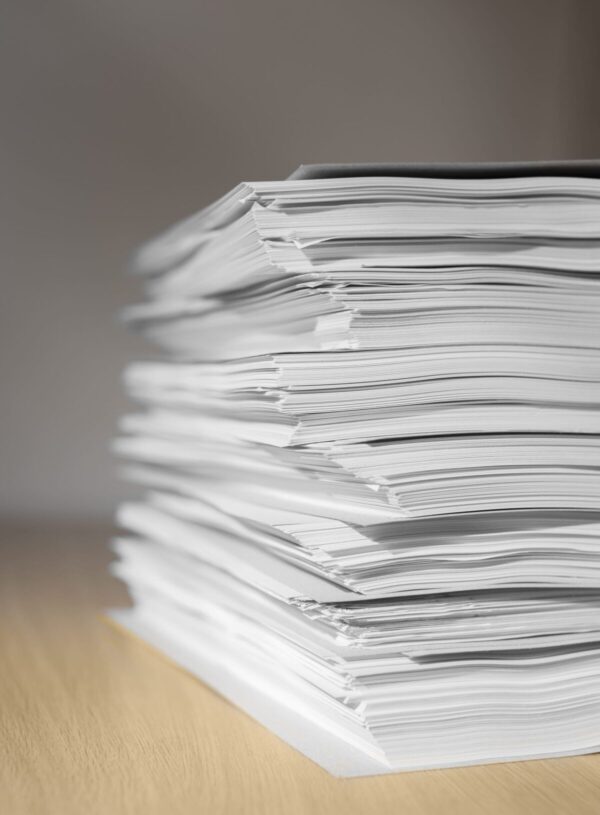
Many common paper products can be recycled successfully, including:
- Office paper
- Newspapers and magazines
- Leaflets and brochures
- Envelopes with plastic windows
- Cardboard and corrugated paper
- Packaging paper
- Paperback books
- Paper shopping bags
- Egg cartons
Modern facilities are designed to process a wide range of paper grades efficiently.
Restore Datashred’s commercial recycling services help businesses manage paper, cardboard, mixed recyclables, food waste, and other waste streams in line with the latest, simpler recycling regulations.
What paper cannot be recycled?
Some paper products are unsuitable for standard recycling because of contamination, coatings, or mixed materials. These commonly include:
- Waxed or laminated paper
- Foil-backed wrapping paper
- Greaseproof paper
- Wet or mouldy paper
- Food-soiled paper products
- Padded envelopes
- Photographic paper
- Heavily contaminated packaging
If the paper contains significant food residue, chemicals, or plastic coatings, it is less likely to be recyclable.
Do you need to remove staples before recycling?
Whether or not paper clips and staples need to be removed is one of the most often asked topics by businesses. Most of the time, they don’t.
During processing, tiny metal objects are separated from paper pulp by modern recycling technologies. Small staples and clips are unlikely to pose problems as long as the paper is clean and uncontaminated.
Start recycling paper securely and sustainably
Companies no longer have to decide between sustainability and data security. Shredded paper recycling may simultaneously assist environmental goals and compliance if the proper procedures are in place.
Restore Datashred offers secure, compliant, and environmentally responsible solutions nationwide, whether your company requires secure document destruction, routine confidential waste collections, or more extensive commercial recycling support. These solutions can be carried out in a way that is safe, sustainable, and compliant with the most recent regulations.
To find out more about secure paper recycling and confidential waste services, get in touch with Restore Datashred today.
Get in touchRecent News